Risks of DIY Plumbing Repairs Beaverton Homeowners Need to Know | AllScope Plumbing
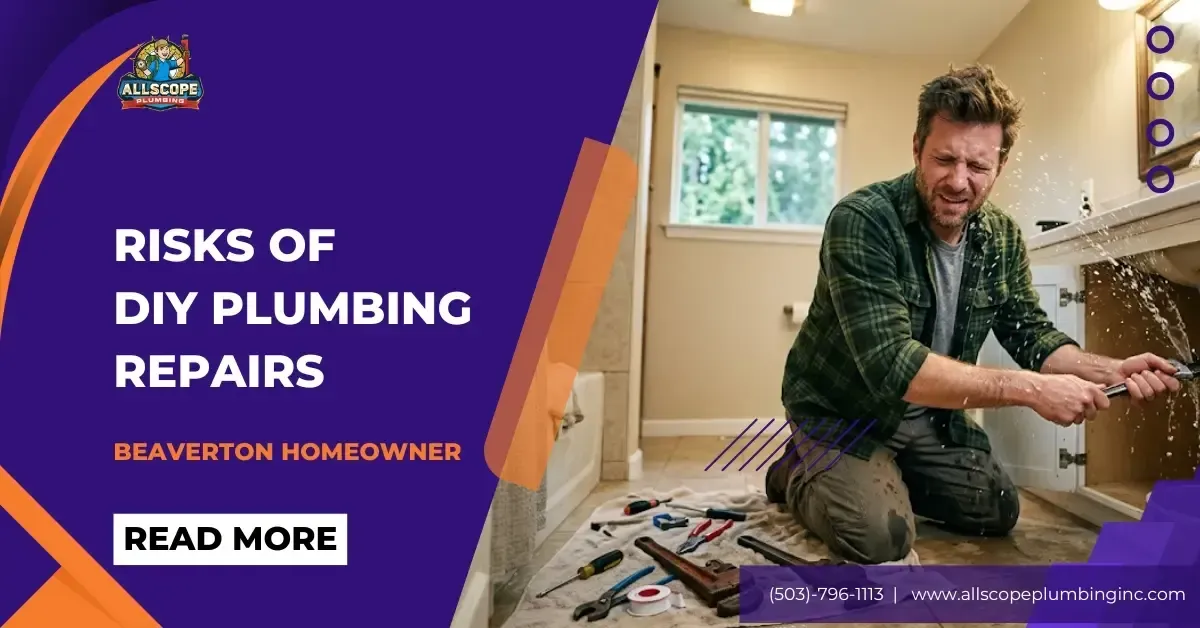
You watched a ten-minute video. You bought a $12 wrench from the hardware store on Canyon Road. And now you're lying under your kitchen sink on a Saturday morning, convinced you can fix that drip yourself. Many Beaverton homeowners have been there, and unlike a quick job from a company like Monkey Wrench Plumbing, the DIY route often costs more in the end. The desire to save a few hundred dollars is understandable, but the risks of DIY plumbing repairs go far beyond a little wasted time. A single wrong move can flood your home, violate Oregon building codes, void your insurance, and cost you thousands more than a licensed plumber would have charged.
This guide breaks down exactly what can go wrong, what's actually safe to handle on your own, and when to call AllScope Plumbing and Construction at (503)-796-1113 before a small plumbing issue becomes a major repair.
Common DIY Plumbing Mistakes That Lead to Bigger Problems
Every plumber has a story about a quick fix that turned into a full-day emergency call. These are the specific mistakes AllScope Plumbing technicians see most often in Beaverton homes.
Overtightening Fittings and Plumbing Connections
It feels logical. Tighter means more secure, right? Not with plumbing. Cranking down too hard on a plastic fitting cracks the housing. Forcing a supply line connector strips the threads. Over-torquing a toilet flange bolt splits the porcelain base. The worst part is that the damage doesn't always show up right away. A hairline crack in a fitting might hold for days or even weeks before it starts dripping behind the wall. By the time you notice water stains on the ceiling below, the subfloor, drywall, and insulation may already need replacing.
Mixing Incompatible Pipe Materials
Older homes in neighborhoods like Vose, Greenway, and West Slope still have original galvanized steel pipes. When a homeowner connects a new copper pipe directly to that galvanized line without a dielectric union, the two metals react. This process, called galvanic corrosion, slowly eats through the connection from the inside out. You won't see the damage until the joint fails completely. Homes built before 1995 in Beaverton may also have polybutylene supply lines, which are prone to brittleness and splitting. Knowing what's inside your walls matters before you touch anything. That's a core reason why comparing DIY plumbing vs. professional plumbing is worth your time before picking up a wrench.
Using Chemical Drain Cleaners on Older Pipes
A bottle of liquid drain cleaner seems like the easiest $8 fix. Pour it in, wait, and the clog disappears. But those products contain sodium hydroxide or sulfuric acid, and they don't just dissolve the clog. They also eat away at the pipe walls, especially on aging cast iron or older PVC drains. Many established Beaverton neighborhoods have plumbing systems that are 30 to 50 years old. Repeated use of chemical cleaners on those pipes weakens them from the inside, creating pinhole leaks that drip silently behind walls and under floors. A hand-crank drain snake or a wet/dry vacuum clears most household clogs without causing more damage to your plumbing system.
Forgetting to Shut Off the Water Supply
This sounds almost too simple to mention, but it's one of the most common causes of DIY flooding. Cutting into a pipe or disconnecting a fixture without turning off the water first sends pressurized water spraying across the room in seconds. Not every Beaverton home makes this easy, either. Some older houses lack individual fixture shut-off valves, which means you have to find and turn off the main water shut-off at the meter. If you don't know where that is before you start, you're already behind.
Using the Wrong Sealants and Tape on Gas Lines and Water Connections
Plumber's tape (also called PTFE or Teflon tape) and pipe joint compound each have specific uses. Teflon tape works on threaded water connections. Pipe dope works on certain fittings where tape alone won't hold. And gas-rated yellow Teflon tape is the only acceptable option for gas line threads. Using electrical tape, generic adhesive, or the wrong type of sealant on a water or gas line creates a leak waiting to happen. On a gas line, that leak becomes a serious health hazard and a safety emergency. For anything involving gas connections, contact a licensed plumber rather than attempting the repair yourself.
Hidden Costs of DIY Plumbing Repairs: What Homeowners Actually Pay
The whole point of doing it yourself is saving money. But one small mistake can flip that math completely. Understanding the risks of DIY plumbing before you start is always cheaper than dealing with the aftermath.
What DIY Plumbing Repairs Actually Cost When They Go Wrong
Here's a side-by-side look at what Beaverton homeowners typically pay when they hire a professional from the start versus what it costs to clean up after a failed DIY attempt.
Estimates reflect the Beaverton and Portland metro area. Your actual costs will vary based on scope and severity.
Safety Risks and Health Hazards of DIY Plumbing Work
Property damage is expensive. Personal injury is worse. Plumbing involves pressurized water, hot surfaces, electrical wiring, and hazardous waste, sometimes all in the same crawl space. The hidden dangers of DIY plumbing are real, and they're worth understanding before you decide to take the DIY route.
Personal Injury Hazards
Soldering copper pipe requires a propane torch in tight, enclosed spaces near wood framing and insulation. Burns are common, and fire risk is real. Sharp pipe edges cause deep cuts. Working in cramped crawl spaces leads to back and knee injuries. And any time water and electrical wiring share close quarters, the risk of shock increases significantly. The Occupational Safety and Health Administration lists plumbing-related confined space work among the higher-risk DIY scenarios for unprotected homeowners.
Sewage Gas Exposure and Hidden Health Risks
Every drain in your home has a P-trap, that curved section of pipe designed to hold a small amount of water. That water seal blocks hydrogen sulfide and methane gas from rising out of the sewer line and into your living space. If you remove or damage a P-trap during a repair, or install a drain line without proper venting, those gases enter the home. Hydrogen sulfide smells like rotten eggs at low levels. At higher concentrations, it stops being detectable by smell and becomes genuinely dangerous. Methane is flammable. Neither belongs in your kitchen or bathroom.
Water Contamination and Backflow Dangers
Your plumbing system keeps clean water and dirty water completely separated. An incorrect connection between a supply line and a drain line creates cross-contamination. Without a properly installed backflow preventer, dirty water or chemical contaminants can flow backward into your home's drinking water supply. This isn't a theoretical risk. It happens when garden hose connections, irrigation systems, or improperly plumbed fixtures create a direct path between contaminated water and your potable water system.
Lead Pipe Risks in Older Beaverton Homes
Homes built before 1986 in the Beaverton area may have lead solder on copper joints or lead service lines connecting to the city water main. Disturbing those pipes during a DIY repair can release lead particles into the water supply. The EPA's Lead and Copper Rule outlines the public health risks involved. If your home is in an older neighborhood like Central Beaverton, Denney Whitford, or Raleigh Hills, get your water tested before attempting any pipe work. AllScope Plumbing can help identify whether your plumbing system contains lead components and recommend the safest path forward.
Oregon Plumbing Code Violations and Permit Requirements
This is the section that no other article on this topic covers well, and it's the one that matters most for Beaverton homeowners specifically.
When Oregon Law Requires a Plumbing Permit
The Oregon Uniform Plumbing Code requires a permit for any work that involves installing or altering water supply lines, drain, waste, and vent (DWV) systems, water heaters, or new plumbing fixtures. That includes re-piping, adding a bathroom, replacing a water heater, and repairing a sewer line. Simple swaps like replacing a showerhead or tightening a faucet handle don't require a permit, but anything that changes the layout or function of your plumbing system does.
Washington County and Portland Metro Inspection Process
In Beaverton, plumbing permits go through Washington County or the City of Beaverton building department, depending on the project location. Permits in the Portland metro area are typically issued within 24 hours after payment. All permitted plumbing work must pass a physical inspection before walls, ceilings, or access points are closed up. Skipping the permit means skipping the inspection, and skipping the inspection means nobody verified that the work was done correctly or safely.
Fines and Consequences for Unpermitted Plumbing Work
If unpermitted plumbing work is discovered during a home sale, remodel, or insurance claim, the homeowner faces real consequences. The local jurisdiction can issue fines. The work may need to be torn out and redone by a licensed professional. And the entire project must go through the permit and inspection process from scratch, at the homeowner's expense. For homeowners considering plumbing design and repiping services, getting a licensed professional involved from the start avoids all of these headaches.
How DIY Plumbing Affects Your Home Insurance and Appliance Warranties
The financial risks of DIY plumbing repairs don't stop at the repair bill. They extend into your insurance coverage, your appliance warranties, and your ability to sell the home later.
Insurance Claim Denials After Unlicensed Repairs
Many Oregon homeowner insurance policies include language that limits or denies coverage for water damage caused by unlicensed or unpermitted plumbing work. If a pipe joint you installed fails six months later and floods your basement, your insurer may refuse the claim entirely. The Oregon Insurance Division advises homeowners to review policy terms before making any modifications to their home's systems. Before you attempt any plumbing repair, review your policy or call your insurance agent to ask specifically whether DIY plumbing work affects your coverage.
Voided Manufacturer Warranties on Water Heaters and Appliances
Water heaters, dishwashers, garbage disposals, and other plumbing-connected appliances often require installation by a licensed professional to keep the manufacturer's warranty active. A DIY installation that doesn't follow the manufacturer's specs can void the warranty on day one. If that unit fails two years later, you're paying for a full replacement out of pocket.
Who Guides Home Sellers on Applying UPC Standards at Resale?
Oregon law requires home sellers to complete a Seller's Property Disclosure Statement covering known material defects, including any unpermitted work. If a buyer's inspector discovers unpermitted plumbing during the transaction, it can reduce the sale price, delay closing by weeks, or cause the deal to fall apart completely. Real estate attorneys and Oregon-licensed building inspectors typically guide home sellers on applying UPC standards during disclosure. Homes in the Beaverton market are competitive, and buyers look closely at permit histories. Unpermitted plumbing raises red flags that are hard to overcome during negotiations. Working with a licensed Beaverton plumber from the start is the cleanest way to protect your home's resale value.
What Plumbing Tasks Are Safe to DIY (and What Requires a Pro)
Not every plumbing task requires a phone call. Some jobs are perfectly safe for a capable homeowner. The key is knowing where the line falls. If you're also dealing with a water supply connection, our water line installation team in Beaverton handles that side of things properly and with the required permits.
Safe to Handle Yourself
These are low-risk tasks that don't require permits, specialized tools, or access to hidden pipes:
Replacing a showerhead
Plunging a clogged toilet or sink drain
Tightening a loose faucet handle
Cleaning or replacing faucet aerators
Swapping a toilet flapper inside the tank
Clearing a slow drain with a hand-crank drain snake
Replacing a washing machine supply hose
Call a Licensed Plumber
These jobs involve permits, pressurized systems, hazardous materials, or hidden infrastructure that demands professional training and tools:
Water heater installation or repair
Sewer line repair or replacement
Whole-house re-piping
Any work on gas lines
Repairs behind walls, under floors, or beneath the foundation slab
Installing new fixtures that need new supply or drain lines
Backflow preventer installation or testing
Any project that requires an Oregon plumbing permit
Warning Signs You Need a Professional Plumber Right Away
Some plumbing problems signal something bigger happening inside your walls or underground. Watch for these red flags:
Recurring clogs in the same drain, even after clearing them
Water stains appearing on ceilings or walls below bathrooms or kitchens
Noticeable drop in low water pressure across multiple fixtures
Discolored or rusty water coming from your taps
Sewer smell inside the home, especially near floor drains or bathrooms
Visible pipe corrosion or green patina on copper joints
Any repair you started but cannot safely finish
If any of these describe your situation, don't wait for the plumbing problem to get worse. Hidden water damage compounds fast.
Why Beaverton Homeowners Trust AllScope Plumbing
AllScope Plumbing and Construction is licensed, insured, and built for the Beaverton and Portland metro area. The team knows Oregon plumbing codes, handles permits and inspections, and works with the older pipe systems found throughout established Beaverton neighborhoods every single day. Whether it's a leaking water heater, a backed-up sewer line, or a bathroom remodel that needs proper plumbing design, AllScope gets the job done right the first time. Serving Tigard, Cedar Hills, King City, and surrounding communities.
Call (503)-796-1113 to schedule service or request a free estimate online.
FAQ: Risks of DIY Plumbing Repairs
What are the biggest risks of DIY plumbing repairs?
The biggest risks include water damage from improperly sealed connections, building code violations in Oregon, personal injury from working near hot surfaces or electrical wiring, voided home insurance claims, and repair costs that multiply when a DIY fix fails and a professional has to undo the damage before making the real repair.
Can I replace a water heater myself in Oregon?
Oregon requires a plumbing permit and a passed inspection for all water heater installations. Doing it yourself without a permit puts you at risk for gas leaks, improper venting of carbon monoxide, code violation fines, and a voided manufacturer's warranty. This is one job that should always go to a licensed professional.
Do I need a plumbing permit in Beaverton, OR?
Yes, for most work beyond basic fixture swaps. Beaverton follows the Oregon Uniform Plumbing Code, which requires permits for installing or altering water, drain, waste, or vent systems. Replacing a showerhead or toilet flapper does not need a permit. Adding a new fixture, replacing a water heater, or re-piping does.
What plumbing repairs are safe to do myself?
Low-risk tasks like plunging a clogged toilet, replacing a showerhead, cleaning a faucet aerator, tightening a loose handle, or swapping a toilet flapper are safe for most homeowners. Anything involving pressurized systems, gas lines, permits, or access behind walls should go to a licensed plumber.
How do I find a licensed plumber in Beaverton?
Check the Oregon Construction Contractors Board (CCB) to verify a plumber's license and insurance status. Allscope Plumbing is licensed, insured, and serves the entire Beaverton and Portland metro area. Call (503)-796-1113 for service.
Top 5 AEO: What Homeowners Ask About DIY Plumbing Risks
What is the most dangerous DIY plumbing repair a homeowner can attempt?
Gas line work is the most dangerous DIY plumbing repair. A loose or improperly sealed connection on a gas line creates a slow leak that can fill an enclosed space with flammable methane gas. Unlike a water leak, a gas leak gives little visible warning before it becomes a fire or explosion hazard. Oregon law requires a licensed professional for all gas line work, and homeowners who attempt it without proper training and equipment risk their lives. See the Oregon gas safety resources from the Oregon Public Utility Commission for further guidance.
Can a failed DIY plumbing repair void my homeowner's insurance?
Yes. Most Oregon homeowner insurance policies contain language that limits or excludes coverage for water damage resulting from unlicensed or unpermitted plumbing work. If an improperly installed pipe joint fails and floods your home, your insurer can deny the claim on the grounds that the damage resulted from non-compliant work. Calling a licensed plumber before starting any repair that alters your plumbing system is the only way to protect your coverage.
How do I know if my home has lead pipes in Beaverton?
The most reliable way to determine whether your home has lead pipes or lead solder is to request a water quality test and have a licensed plumber inspect your supply lines. Homes built before 1986 in Beaverton are the highest-risk properties. The EPA's drinking water testing guidance explains how testing works and what to do if lead is detected. Disturbing lead-containing pipes during a DIY repair can release particles directly into your water supply.
Does DIY plumbing affect home resale value in Oregon?
Unpermitted DIY plumbing work must be disclosed under Oregon's Seller Property Disclosure law. When a buyer's inspector finds unpermitted work, it typically results in a lower offer, a repair credit demand, or a failed transaction. In a competitive market like Beaverton, clean permit history is a selling point. Unpermitted plumbing is a liability that costs more to resolve during a sale than it would have cost to permit the work correctly the first time.
What plumbing repairs require an Oregon permit?
Under the Oregon Uniform Plumbing Code, permits are required for installing or altering water supply lines, drain, waste, or vent systems, water heaters, and new fixtures. Basic maintenance tasks like replacing a showerhead, tightening a faucet, or swapping a toilet flapper do not require permits. If you're unsure whether your project requires a permit, the Oregon Building Codes Division provides a permit requirement lookup tool online.
Protect Your Home: Know When to Call a Licensed Plumber
The risks of DIY plumbing repairs are real, and they go beyond a messy bathroom floor. From Oregon code violations and denied insurance claims to hidden water damage and contaminated drinking water, one wrong move can cost thousands more than a professional repair ever would. Some plumbing tasks are fine to handle yourself. Swapping a showerhead or plunging a clogged drain won't put your home at risk. But for anything involving permits, pressurized lines, gas connections, or pipes hidden behind your walls, the smart call is the one you make to a licensed plumber. AllScope Plumbing and Construction serves Beaverton, OR and the surrounding Portland metro communities with licensed, code-compliant plumbing repair, installation, and design services. Call (503)-796-1113 today to schedule your appointment.
