
9 Drain Cleaning Tips for Hillsboro, OR Homeowners
9 Drain Cleaning Tips Hillsboro OR Homeowners Should KnowThe best drain cleaning tips Hillsboro OR homeowners can follow come down to one principle: prevention beats repair. A slow or clogged drain is rarely a surprise. It builds up over weeks of grease, hair, soap scum, and mineral deposits from the Washington County water supply. The good news is that most clogs are avoidable with a few consistent habits and the right tools.
This list covers nine practical steps, from what to keep out of your drains to when a plunger is not enough. Each tip applies to the real conditions Hillsboro homes face, including hard water, older cast-iron pipes in established neighborhoods, and the wet Pacific Northwest winters that stress outdoor drainage.

1. Use a Drain Screen on Every Fixture
A mesh drain screen is the single cheapest thing you can do to prevent clogs. It catches hair, soap chunks, and food debris before they enter the pipe. A basic stainless-steel screen costs under five dollars and fits most shower, tub, and kitchen sink drains.
In Hillsboro homes with multiple bathrooms, hair is the leading cause of shower drain blockages. Clean the screen after every shower and empty the kitchen basket strainer after every meal. This one habit alone can cut your drain service calls significantly.
2. Flush Drains with Hot Water Weekly
Running very hot tap water down each drain for 30 to 60 seconds once a week helps dissolve soap residue and light grease before it hardens on pipe walls. This works best on kitchen sinks, where cooking fats cool and solidify quickly in the drain line.
Do not use boiling water on PVC pipes. Water above roughly 140°F can soften PVC fittings over time. Hot tap water (around 120°F from a standard water heater) is effective and safe for both PVC and metal pipes.
3. Never Pour Grease Down the Kitchen Drain
Grease is the most common cause of kitchen drain clogs in Hillsboro homes. Bacon fat, cooking oil, and butter look liquid when hot, but they solidify inside the drain line and trap food particles on top. Over time, that buildup narrows the pipe until water barely moves.
Pour cooled grease into a sealed container and put it in the trash. For pans with a light grease film, wipe them with a paper towel before washing. The EPA notes that fats, oils, and grease are a leading cause of sanitary sewer overflows, which can back up into your home as well as the street.
4. Skip the Chemical Drain Cleaners
Liquid drain cleaners feel like a quick fix, but they create real problems. The active ingredients (usually lye or sulfuric acid) generate heat as they work. That heat can warp PVC fittings, corrode older metal pipes, and damage rubber gaskets. If the chemical does not fully clear the clog, it sits in the pipe and keeps eating at the material.
Chemical cleaners are also a hazard if you later need a plumber. A pipe full of caustic liquid is dangerous to work on. A drain snake or a cup plunger does the same job without the chemical risk. If those do not work, that is a signal to call a professional rather than pour in more product.
For more habits that protect your plumbing long-term, see our post on common plumbing mistakes Beaverton and Portland homeowners make.
5. Know How to Use a Plunger Correctly
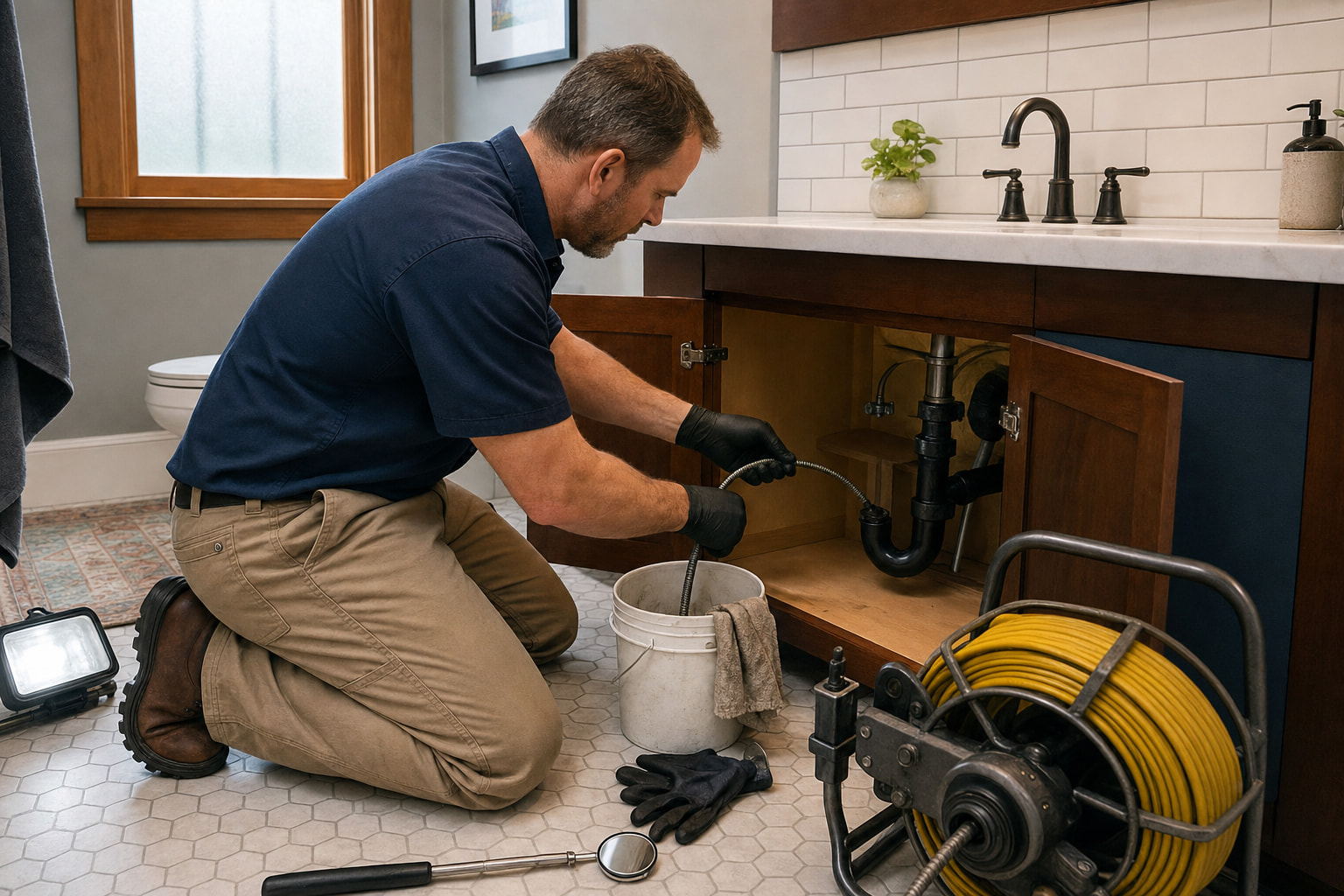
A plunger works by creating pressure, not suction. For it to work, the rubber cup must form a complete seal over the drain opening. Fill the sink or tub with enough water to cover the cup, then push down slowly and pull up sharply. Repeat 10 to 15 times before checking whether the drain flows.
Use a cup plunger for flat drains (sinks, tubs) and a flange plunger for toilets. The wrong type breaks the seal and makes the job harder. If a drain does not respond after two or three plunging sessions, the clog is likely deeper in the line and needs a drain snake or professional hydro-jetting.
6. Clean Your P-Trap Every Few Months
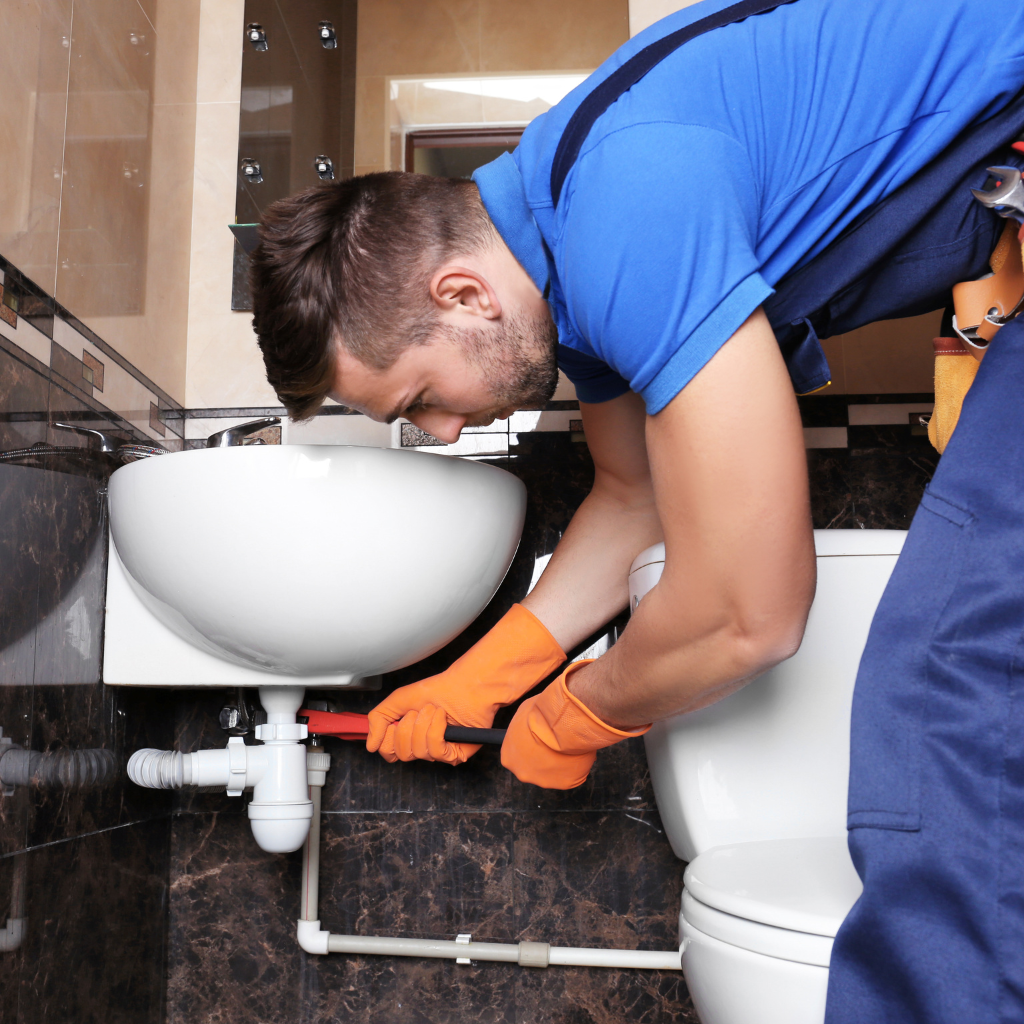
The P-trap is the curved pipe section under your sink. It holds a small amount of water to block sewer gases, but it also collects debris. Hair, toothpaste, and soap scum settle in the curve and restrict flow long before a full clog develops.
Cleaning it is straightforward. Place a bucket under the curve, unscrew the slip-joint nuts by hand (or with channel-lock pliers), remove the trap, rinse it out, and reinstall. This takes about 10 minutes and can restore a sluggish bathroom sink to full flow. Check the rubber washers while you have it apart. Worn washers cause slow drips that are easy to miss.
A clean P-trap and a five-dollar drain screen will prevent more clogs than any product sold at the hardware store.
7. Address Hard Water Buildup Proactively
Hillsboro's water supply comes largely from the Tualatin Valley Water District and the City of Hillsboro water system, both drawing from the Tualatin River basin. The water in this area has moderate mineral content. Over time, calcium and magnesium deposits (called scale) build up inside pipes and on drain fixtures, narrowing the opening and trapping soap scum.
A monthly flush with a mixture of white vinegar and baking soda helps break down light scale in drain lines. Pour half a cup of baking soda into the drain, follow with half a cup of white vinegar, let it fizz for 15 minutes, then flush with hot water. This is not a substitute for professional cleaning on heavily scaled pipes, but it slows buildup between service visits.
If you notice white or yellowish crust around faucet bases or showerheads, your pipes likely have the same buildup inside. That is also a good time to check whether your plumbing system shows signs that your plumbing system is outdated and may need more than a cleaning.
8. Maintain Your Outdoor Drains Before the Rainy Season
Hillsboro averages around 37 inches of rain per year, with the heaviest rainfall from November through February. Outdoor area drains, French drains, and downspout connections take a beating during those months. Leaves, moss, and soil debris clog outdoor grates quickly, and a blocked outdoor drain can push water toward your foundation.
Clear leaves and debris from outdoor drain grates every fall, before the rains arrive.
Check that downspouts discharge at least 6 feet from the foundation, or connect to a properly functioning drain line.
If your yard pools water after moderate rain, the underground drain line may be partially blocked or collapsed.
Homes in lower-lying parts of Hillsboro (near the Tualatin River floodplain) are especially prone to drainage issues and may benefit from a sump pump. Learn more about sump pump services in Hillsboro, OR if standing water is a recurring problem.
The Oregon Building Codes Division requires permits for new drainage installations and significant alterations to existing systems. If you are adding or rerouting a drain line, check with Washington County's building department before starting work.
[[video]]
9. Schedule a Professional Drain Cleaning Once a Year
Even with good habits, grease, scale, and debris accumulate in drain lines over time. A professional drain cleaning, typically done with a motorized drain snake or hydro-jetting equipment, clears buildup that home methods cannot reach. Hydro-jetting uses high-pressure water (often 1,500 to 4,000 PSI depending on the line) to scour pipe walls clean, which is especially effective on grease-heavy kitchen lines.
Annual professional cleaning is particularly worthwhile for homes with older galvanized or cast-iron drain pipes, which are common in Hillsboro neighborhoods built before the 1980s. These materials corrode and develop rough interior surfaces that catch debris faster than smooth PVC. A plumber can also run a camera through the line to spot cracks, root intrusion, or bellied sections before they become a full blockage.
When you are comparing service providers, ask any plumber whether they carry liability coverage and what drain cleaning methods they use. A reputable company will explain the process clearly. For context on what to look for, our guide on finding the best plumbing company for major repairs covers the right questions to ask.
Keeping your drains clear is not complicated, but it does require consistency. Use screens, avoid grease and chemicals, clean the P-trap regularly, and get a professional cleaning once a year. Hillsboro homeowners who follow these nine steps spend far less time dealing with slow drains and emergency backups. If a clog has already gotten ahead of you, or if you want a professional to assess your drain lines before the rainy season hits, AllScope Plumbing and Construction, Inc. provides drain cleaning service throughout Hillsboro and the surrounding area, including Rockcreek and Cedar Hills.
Ready to Clear Your Drains?
Call AllScope Plumbing and Construction, Inc. at (503) 796-1113 to schedule a drain cleaning service in Hillsboro, OR. Our team serves homeowners throughout Washington County and can assess your drain lines, clear existing blockages, and help you set up a maintenance plan that fits your home.
FAQs
What is the most effective DIY drain cleaning method?
The most effective DIY approach is a combination of a drain screen to catch debris, weekly hot-water flushes to dissolve light grease, and a cup plunger for minor clogs. For slow sinks, removing and rinsing the P-trap takes about 10 minutes and often restores full flow without any chemicals or special tools.
How often should Hillsboro homeowners clean their drains professionally?
Most plumbers recommend a professional drain cleaning once a year for average households. Homes with older galvanized or cast-iron pipes, large families, or a history of frequent clogs may benefit from cleaning every six months. Scheduling before Hillsboro's rainy season (October or November) is a practical choice.
Are chemical drain cleaners safe for pipes?
Chemical drain cleaners are generally not safe for long-term pipe health. The heat they generate can warp PVC fittings and corrode older metal pipes. They also leave a caustic residue that is hazardous for anyone who later works on the line. A drain snake or plunger is a safer first step, and a plumber is the right call if those do not work.
What causes drains to smell bad even when they are not clogged?
Drain odors usually come from one of three sources: a dry P-trap that has lost its water seal (letting sewer gas in), biofilm buildup on the inside of the drain line, or a partial clog trapping decomposing debris. Running water in rarely used fixtures refills the P-trap. A baking soda and vinegar flush followed by hot water can clear biofilm odors.
Can tree roots get into drain lines in Hillsboro?
Yes. Root intrusion is a real issue in Hillsboro neighborhoods with mature trees, particularly in older areas where clay or cast-iron sewer laterals are still in place. Roots seek moisture and can enter pipe joints, then grow and block the line. A camera inspection is the only reliable way to confirm root intrusion. A plumber can then recommend cutting, lining, or replacing the affected section.
What is hydro-jetting and when is it needed?
Hydro-jetting uses a high-pressure water stream (typically 1,500 to 4,000 PSI) to scour the inside of a drain or sewer line. It removes grease, scale, and debris that a standard drain snake cannot fully clear. It is most useful for kitchen drain lines with heavy grease buildup, or for sewer laterals with root intrusion after the roots have been cut.
Does Hillsboro's hard water affect drain lines?
Hillsboro's water has moderate mineral content, and calcium and magnesium deposits do build up inside drain pipes and on fixtures over time. The scale narrows the pipe opening and gives soap scum more surface to cling to. Monthly vinegar-and-baking-soda flushes slow the buildup, but heavily scaled pipes may need professional descaling or eventual replacement.
When should I stop DIYing and call a plumber for a clogged drain?
Call a plumber if the drain does not respond after two or three plunging attempts, if multiple fixtures are slow or backing up at the same time (which points to a main line issue), if you hear gurgling from other drains when one is used, or if there is any sign of sewage odor or water backing up from a floor drain. These are signs the problem is beyond a surface clog.
Ask the AI to change this draft
